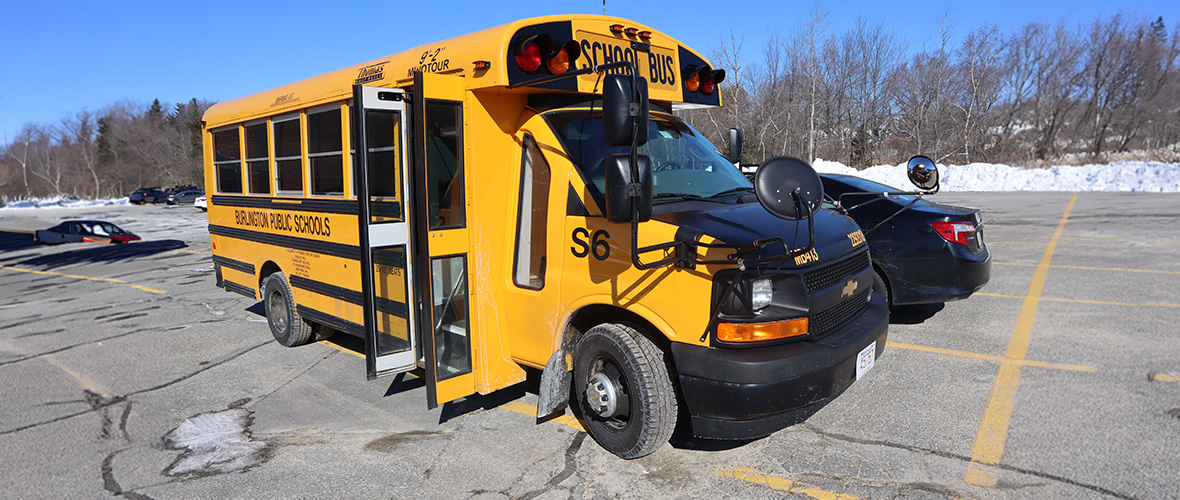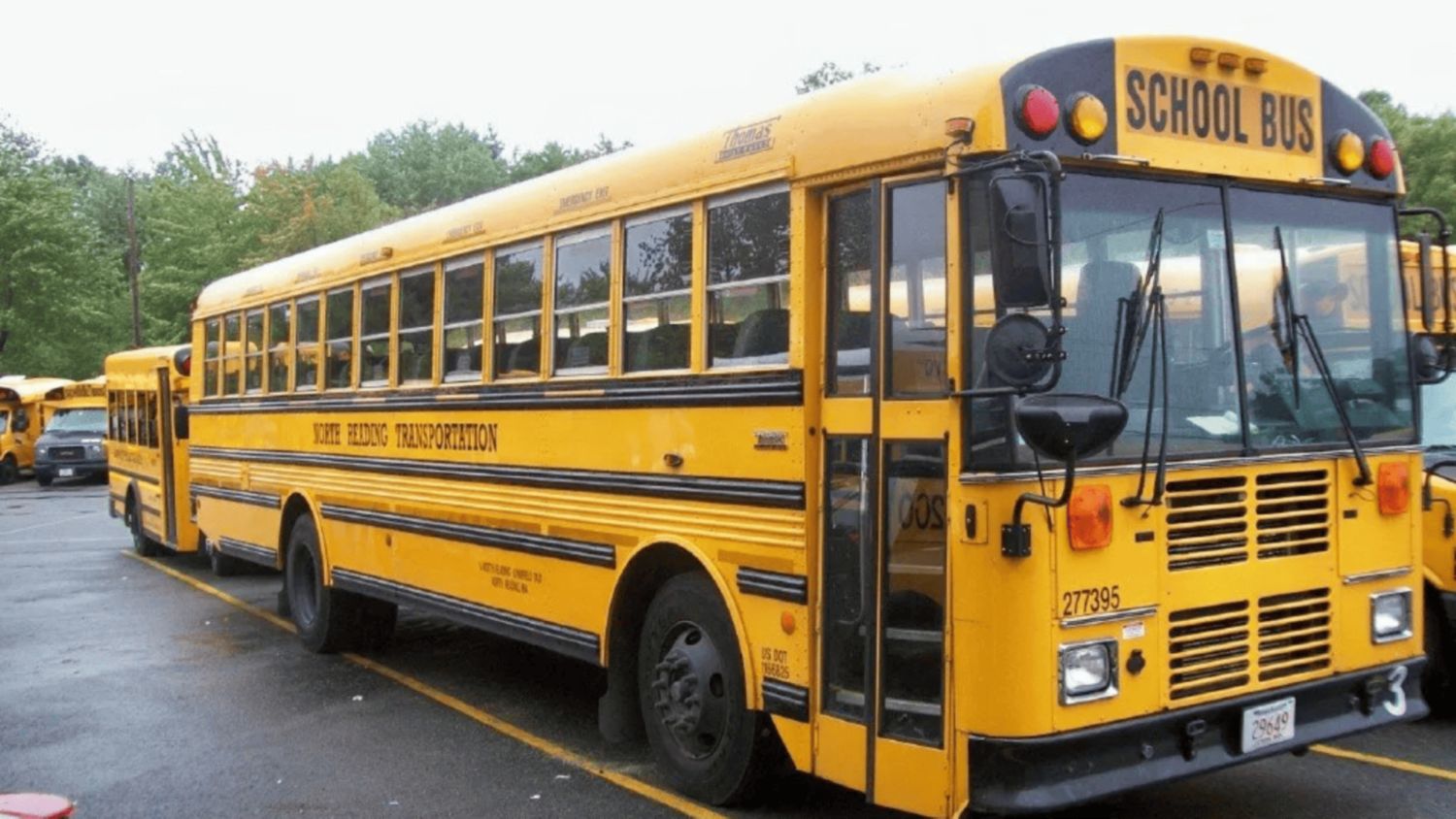

Rental buses make it easier for Massachusetts schools to coordinate transportation for students, families, and chaperones. Whether a full-size or mini yellow school bus is needed, providing passenger count, accessibility needs, route details, and schedule helps ensure the right vehicle is selected.
From narrow streets and limited curb space to busy arrival and departure areas, Massachusetts schools have unique transportation considerations. Field trips, away games, performances, and evening events can add another layer of coordination. These five planning steps can help schools simplify transportation and create a smoother trip with NRT Bus.
- Give Everyone One Place to Meet
Instead of asking families to drive to a museum, stadium, or separate meeting point, arrange one approved boarding location at school. Staff can take attendance before departure and give families one clear set of instructions.
When possible, use a boarding area away from the main parent lane, such as an approved side lot or separate entrance. Tell families where boarding will happen, when it begins, and the exact departure time.
- Keep Chaperones and Parent Cars at Home
A school bus can allow chaperones to ride with the group instead of coordinating a long line of volunteer vehicles. This can reduce the number of separate cars connected to the outing and keep students together under one supervision plan. - Move Athletes and Performers Together
Games, tournaments, concerts, and rehearsals create their own transportation challenges. When a school hires a bus and driver for a team or ensemble, the group can leave and return on one schedule. Coaches and directors can focus on students instead of coordinating directions and parking. - Plan the Loading Area
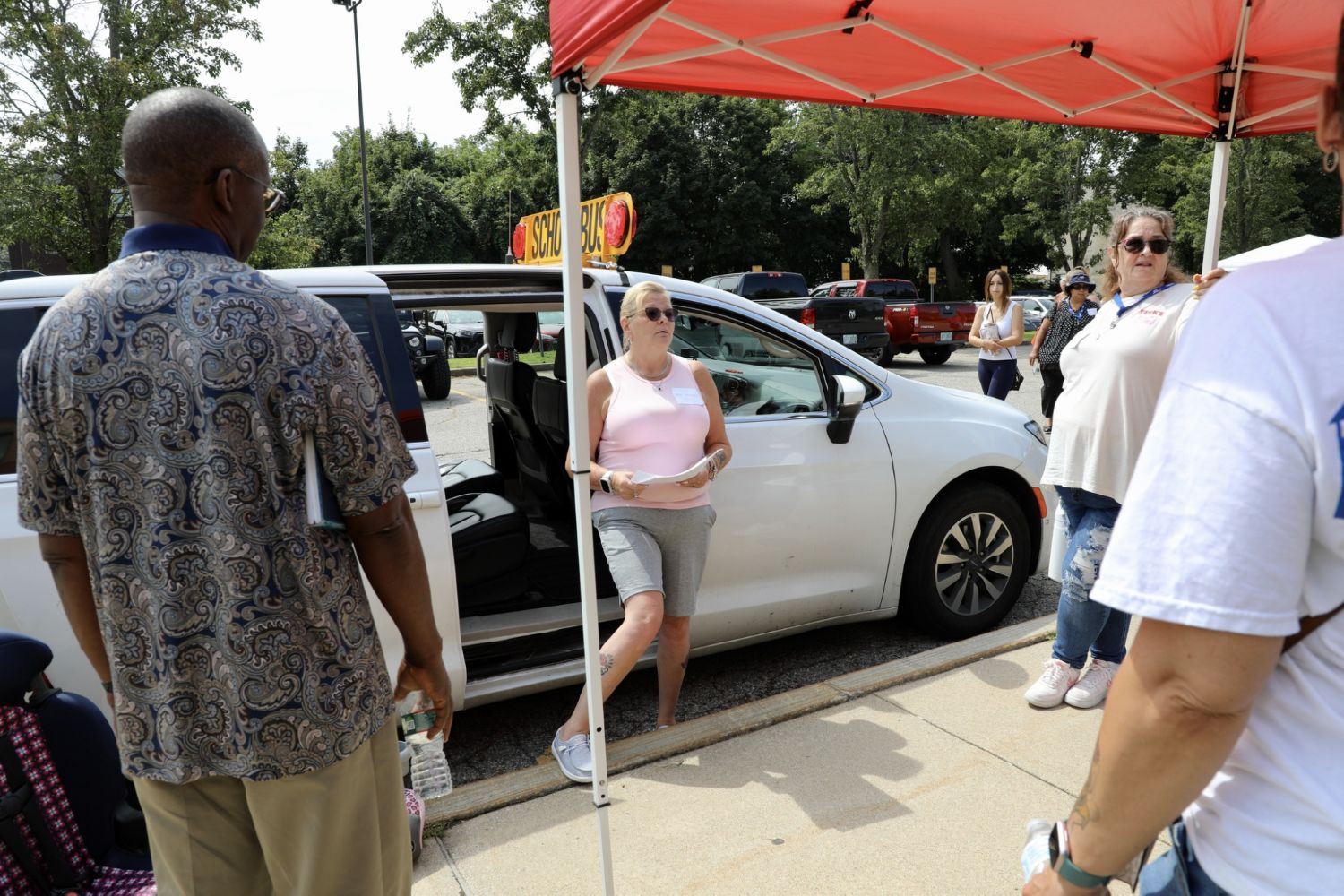
A charter works best when the school has a simple boarding plan:- Choose one approved boarding location and share it with families.
- Assign a staff member to guide arriving vehicles and passengers.
- Ask families to complete drop-off promptly instead of waiting in the lane.
- Keep a clear walking path between the curb and the bus door.
- Send a short reminder the evening before departure.
- Match the Trip to the Right Booking
Many schools need transportation for one field trip, game, or performance. Share the passenger count and itinerary so NRT Bus can confirm whether a yellow school bus or mini yellow school bus is available. Overnight or multi-day trips need additional planning, but the same principle applies: one itinerary, one coordinated vehicle plan, and one primary meeting location.
Pricing depends on travel distance, service hours, vehicle requirements, and the date. Submit the itinerary through the NRT Bus quote request page and ask what is included, such as driver time, tolls, parking, and wait time.
Planning Notes for Eastern Massachusetts
Traffic conditions on Route 128, I-95, and I-93 can vary, and Boston or Cambridge venues may have limited curb space. Confirm where a bus may load and unload before finalizing the itinerary. In late fall and winter, allow practical time for earlier darkness, weather, and slower traffic.
Schools planning several outings can review the NRT Bus school and group charter services page. A written process for loading, attendance, accessibility needs, and family communication can make future trips easier to coordinate.
What to Tell Families Before the Trip
Send one clear message several days before the trip and a shorter reminder the evening before. Put the most important details first:
- The boarding location, with a map or photo if the entrance may be confusing.
- The departure time and requested arrival time.
- The expected return time and pickup location.
- What students should bring, such as lunch, water, or a jacket.
- The name and phone number of the trip-day contact.
Ask families to follow the school’s loading instructions and leave the lane once the student is safely checked in. A short reminder on the permission form can reinforce the plan.
A Simple Way to Review the Results
A school can compare trip-day traffic with previous outings by noting how long the drop-off line lasts and how many vehicles are present near departure time. These observations can help staff evaluate whether the charter plan improved coordination and identify changes for the next trip.
Keep the notes in the trip file. Over time, the school can identify which events generate the most traffic and which outings benefit most from coordinated group transportation.
Frequently Asked Questions
- Can chartering a bus reduce school drop-off traffic?
It may help when students and chaperones use one school boarding location instead of traveling in separate vehicles to another meeting point. The effect depends on the group size and the school’s loading plan. - Can a school charter a bus for one day?
Yes, one-day bookings may be available for field trips, games, or performances. Share the pickup time, destination, return time, passenger count, and any accessibility needs so the provider can review the trip. - How early should a school request transportation?
Request transportation once the date and basic itinerary are known. Spring and fall school-travel dates may have higher demand, so confirm availability directly. - What should schools tell families before a trip?
Share the boarding location, requested arrival time, departure plan, items students should bring, and the trip-day contact.
Call to Action
Ready to charter a bus for a trip and create one coordinated school travel plan? Contact NRT Bus with the date, passenger count, pickup location, destination, and schedule. For additional planning guidance, visit the NRT Bus blog.